
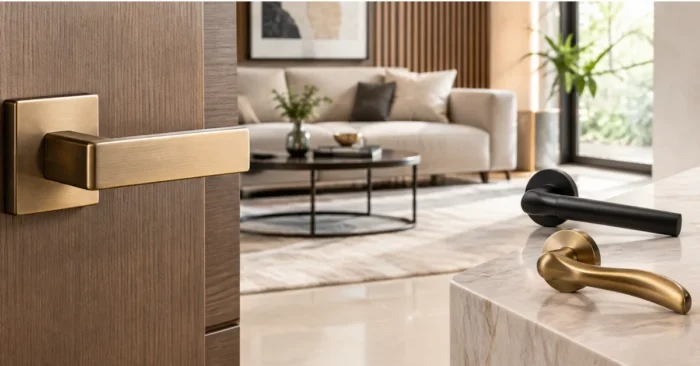
When people think about interior design, they usually picture furniture, flooring, lighting, wall finishes, and carefully selected colours. Hardware is often considered later, even though it is one of the few elements people physically interact with every day.
Door handles may be relatively small, but they can have a noticeable influence on how a room looks and feels. A well-designed handle can complete the appearance of a door, complement other hardware, and provide a comfortable experience every time the door is opened.
Among the many hardware options available, lever handles have become a popular choice for contemporary residential, commercial, and hospitality spaces. Their practical shape, ease of use, and design flexibility make them suitable for a wide variety of architectural styles.
EuroArt understands that good architectural hardware needs to combine appearance with everyday functionality. By paying attention to details such as form, finish, proportion, and usability, EuroArt provides hardware solutions intended to complement modern architectural environments.
Why Door Handles Are an Important Part of Interior Design
A door is a significant visual element within a room. The hardware attached to it may occupy only a small area, but it can influence the overall impression of the door.
Imagine a minimalist timber door with carefully selected furniture, lighting, and flooring. A poorly matched handle could interrupt the visual balance. A thoughtfully selected handle, however, can reinforce the same design language.
Quality door handles can contribute to:
- Comfortable everyday operation
- A cohesive interior appearance
- Better visual balance
- A refined architectural finish
- Reliable long-term use
- Coordination with other hardware
This is why architects and interior designers increasingly treat door hardware as part of the overall specification rather than an afterthought.
Understanding the Different Types of Door Handles
Not every door requires the same type of hardware. The appropriate choice depends on the door, its location, expected usage, and the design of the surrounding space.
Interior bedroom doors may call for a simple and elegant solution. An office may require hardware capable of handling frequent use. A hotel project may need products that combine durability with a distinctive design identity.
When selecting door handles, consider:
Door Material
Wood, glass, metal, and composite doors can have different hardware requirements. The handle should be compatible with the door construction and installation method.
Door Size
The proportions of the hardware should work with the size of the door. A larger door may require more substantial hardware to maintain visual balance.
Frequency of Use
A door used occasionally has different requirements from one operated continuously in a busy commercial environment.
Interior Style
Hardware should complement the overall design rather than compete with it.
Finish
The finish can either blend with the door or deliberately create contrast.
Lever Handles: Combining Function and Design
One of the biggest advantages of lever handles is their straightforward operation. The lever provides a natural gripping surface and can be operated with a simple downward movement.
This makes them a practical choice for many different environments.
Lever handles can be used in:
- Residential properties
- Apartments and villas
- Hotels
- Corporate offices
- Restaurants
- Retail spaces
- Educational buildings
- Commercial developments
Their design flexibility is another major benefit. A slim lever can create a discreet, minimalist appearance, while a broader or sculptural profile can become a stronger design feature.
For contemporary architecture, this combination of functionality and visual simplicity makes lever hardware particularly appealing.
Ergonomics Matter as Much as Appearance
A beautiful handle is not necessarily a good handle if it is uncomfortable to use.
Because door hardware is touched repeatedly throughout the day, ergonomics should be an important part of the selection process. The shape should provide a comfortable grip, and the mechanism should allow smooth operation.
This becomes particularly important in buildings with high foot traffic.
Offices, hotels, restaurants, retail outlets, and other commercial environments can place significant demands on door hardware. Choosing products with appropriate construction and specifications can help provide a reliable user experience.
EuroArt places emphasis on the relationship between design and usability, helping ensure that architectural hardware is not simply attractive but also practical.
Matching Door Handles with Interior Materials
Hardware can be used to create connections between different elements within a room.
For example, a handle can complement:
- Cabinet hardware
- Lighting fixtures
- Furniture details
- Hinges
- Locks
- Door closers
- Metal partitions
This does not necessarily mean that every metal element needs to have exactly the same finish. Carefully chosen complementary finishes can create a more layered and sophisticated appearance.
The important thing is to make the choices feel intentional.
Choosing Door Handles for Modern Homes
Modern homes often use a combination of natural materials and clean architectural forms. Timber, stone, glass, concrete, and metal may all appear within the same property.
The hardware should support this visual language.
Simple door handles can work well with minimalist doors, while more distinctive designs may be appropriate where the hardware is intended to become a focal detail.
Consistency is also important. Using a coordinated family of handles throughout a home can connect individual rooms and create a sense of continuity.
At the same time, entrance doors can be treated differently if a stronger architectural statement is desired.
Lever Handles in Commercial and Hospitality Design
Commercial spaces require a slightly different approach to hardware selection.
An office, for example, may have dozens of doors used throughout the working day. Hotels have guest rooms, service areas, meeting spaces, and public facilities, each with different requirements.
In these settings, lever handles can offer a practical balance between usability and appearance.
For hospitality projects in particular, details matter. Guests may not consciously analyse a door handle, but the quality of the hardware contributes to their overall perception of the property.
A consistent hardware scheme can help create a professional and polished environment from the reception area through to individual rooms.
The Importance of Quality in Architectural Hardware
Architectural hardware is exposed to repeated physical interaction. Over time, poor-quality products can show signs of wear, develop mechanical issues, or lose their visual appeal.
For this reason, product selection should consider more than the initial purchase price.
Important considerations include:
- Material quality
- Construction
- Finish durability
- Mechanism performance
- Installation requirements
- Intended usage
- Maintenance
A well-selected product can provide better long-term value by reducing the need for frequent repairs or replacements.
How EuroArt Approaches Door Hardware
EuroArt focuses on architectural hardware where design and practical performance work together.
For architects, designers, developers, and homeowners, hardware selection is an opportunity to add another layer of detail to a project.
EuroArt’s approach centres on qualities such as:
- Contemporary aesthetics
- Practical functionality
- Comfortable operation
- Refined finishes
- Architectural versatility
- Quality-focused construction
Whether the project is a private residence, office, hotel, retail environment, or larger commercial development, the right hardware can help create a consistent design language.
Creating a Cohesive Hardware Scheme
One of the most effective ways to improve an interior is to think about hardware as a complete system.
Instead of choosing each product separately, consider how door handles will relate to hinges, locks, cabinet hardware, wardrobe fittings, and other architectural elements.
For example, a contemporary office might use streamlined lever handles throughout its internal spaces while coordinating the finish with furniture fittings and lighting.
A luxury residence might use a more distinctive handle design to complement premium doors and carefully selected interior finishes.
The goal is not uniformity for its own sake. It is creating a visual relationship between the details.
Why Small Details Make a Big Difference
Interior design is ultimately about how individual elements work together.
A door handle may not be the first thing someone notices when entering a room, but it is one of the elements they physically experience. Every opening and closing of the door reinforces that experience.
This is why the right hardware can make a space feel more complete.
Good design is often found in these seemingly small decisions—the shape of a handle, the feel of a lever, the relationship between finishes, and the way hardware sits against the door.
Conclusion
Door handles are far more than functional fittings. They contribute to the visual identity, comfort, and everyday experience of a space.
Lever handles, in particular, offer an effective combination of practical operation and design versatility. Their clean profiles can complement contemporary interiors while remaining suitable for a wide range of residential, commercial, and hospitality applications.
When choosing architectural hardware, consider the complete picture: the door, the interior, the frequency of use, the finish, ergonomics, and the relationship with other hardware.
With EuroArt, door hardware can become an intentional part of the architectural design rather than an overlooked finishing detail.
The right handle may be a small component, but when thoughtfully selected, it can help bring an entire interior together.
Frequently Asked Questions
1. What are door handles used for?
Door handles provide a practical way to operate doors while also contributing to the appearance and design of an interior or architectural space.
2. What are lever handles?
Lever handles are door handles featuring a lever mechanism that can be pressed downward to operate the door latch. They are widely used because they offer convenient and comfortable operation.
3. Are lever handles suitable for modern interiors?
Yes. Their clean profiles and variety of designs make lever handles suitable for minimalist, contemporary, luxury, and transitional interiors.
4. How do I choose the right door handles?
Consider the door material, size, interior style, frequency of use, ergonomics, finish, installation requirements, and compatibility with other architectural hardware.
5. Are door handles important for commercial buildings?
Yes. Commercial doors can experience frequent use, so hardware should be selected according to the expected traffic, required durability, application, and design requirements.
6. Can door handles match cabinet and furniture hardware?
Yes. Coordinating door handles with cabinet hardware, furniture details, lighting, hinges, and other metal elements can create a more cohesive interior.
7. Why is ergonomics important when selecting lever handles?
A handle is used repeatedly, so its shape and operation should provide a comfortable grip and smooth movement for everyday users.
8. Can EuroArt door hardware be used in residential and commercial projects?
EuroArt architectural hardware can be considered for a variety of residential, commercial, office, hospitality, and architectural applications, depending on the specific product and project requirements.
9. Does the finish of a door handle affect interior design?
Yes. The finish can complement surrounding materials or create deliberate contrast, influencing the overall visual character of the door and interior.
10. Why choose EuroArt for door handles and lever handles?
EuroArt focuses on architectural hardware that combines contemporary design, practical functionality, refined aesthetics, and versatility for modern interior projects.